The Complete Beginner's Guide to GLP-1 Peptides
Everything you need to know about semaglutide, tirzepatide, retatrutide, and the GLP-1 revolution
What Is a GLP-1 Peptide?
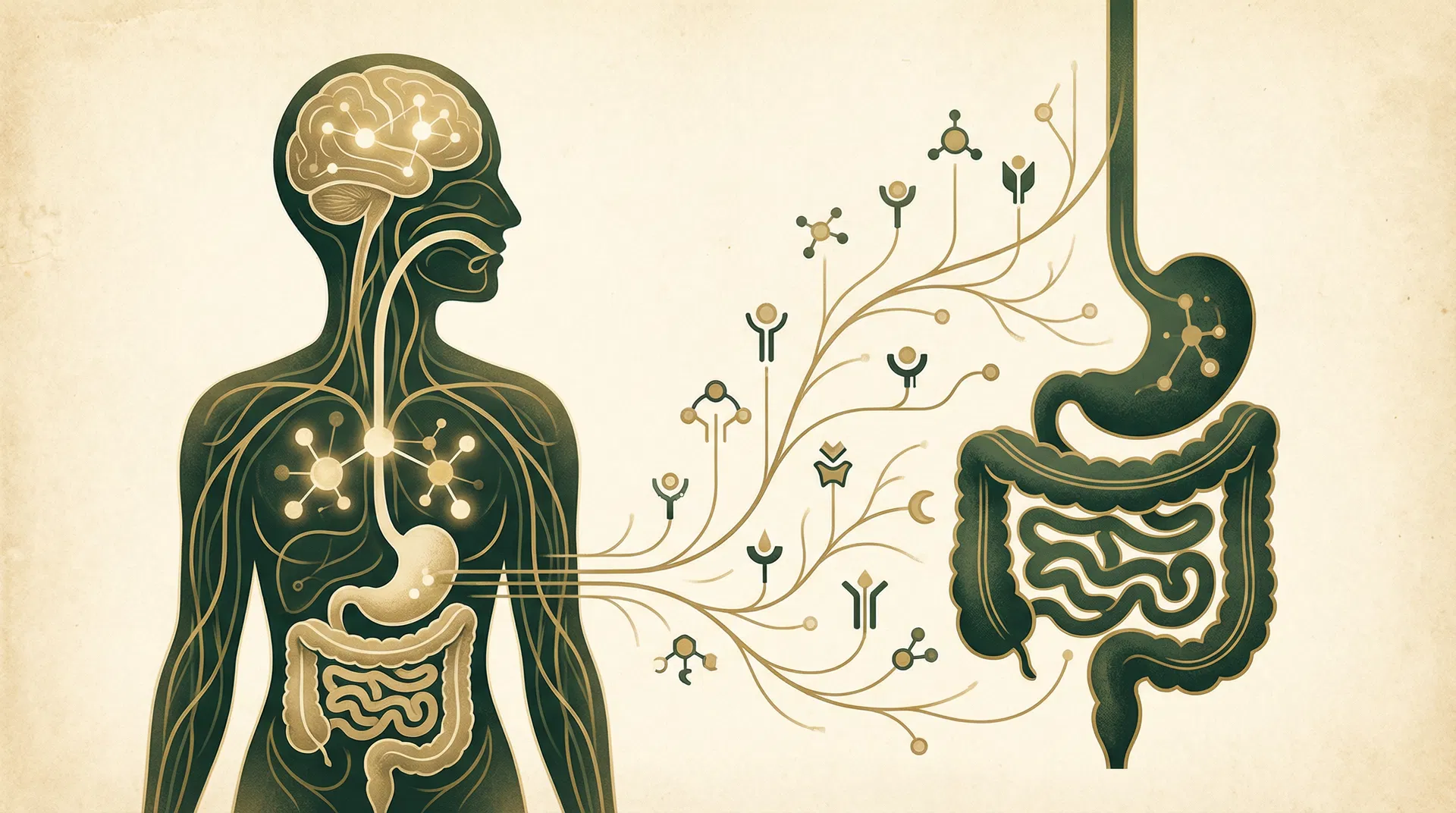
GLP-1 stands for glucagon-like peptide-1, a hormone naturally produced in the gut in response to eating. When you consume food, specialized cells in your small intestine release GLP-1, which then travels through the bloodstream to trigger a cascade of effects: it signals the pancreas to release insulin, tells the liver to reduce glucose production, slows the rate at which food leaves the stomach, and — critically — signals the brain that you are full.
GLP-1 peptide drugs are synthetic versions of this hormone, engineered to be far more potent and longer-lasting than the natural version. Natural GLP-1 is broken down within minutes. The pharmaceutical versions are designed to last days or even weeks, creating a sustained effect on appetite, blood sugar, and metabolism.
The GLP-1 Family: A Quick Comparison
| Compound | Targets | Dosing | Avg. Weight Loss | Status |
|---|---|---|---|---|
| Semaglutide (Ozempic/Wegovy) | GLP-1R | Weekly injection | 15–17% | FDA Approved |
| Tirzepatide (Mounjaro/Zepbound) | GLP-1R + GIPR | Weekly injection | 20–22% | FDA Approved |
| Retatrutide | GLP-1R + GIPR + GCGR | Weekly injection | 24–26% | Phase III trials |
| Cagrilintide + Sema (CagriSema) | GLP-1R + Amylin | Weekly injection | ~25% | Phase III trials |
How Do They Cause Weight Loss?
The weight loss from GLP-1 peptides is not simply about suppressing appetite, though that is a major component. These compounds work on multiple levels simultaneously. In the brain, they act on the hypothalamus and brainstem to reduce hunger signals and increase satiety signals. In the gut, they slow gastric emptying, meaning food stays in your stomach longer and you feel full for a longer period after eating. In the liver and muscle, they improve insulin sensitivity and glucose metabolism.
The result is a profound reduction in caloric intake that most users describe as effortless — not a white-knuckle fight against hunger, but a genuine reduction in the drive to eat. Many users also report reduced cravings for highly palatable foods like sweets and alcohol, an effect that researchers believe is mediated by GLP-1 receptors in the brain's reward circuitry.
Beyond Weight Loss: The Expanding Benefits
GLP-1 peptides were originally developed for type 2 diabetes management, and their blood sugar benefits remain significant. But the research has revealed a much broader picture. The LEADER trial showed that semaglutide reduces major cardiovascular events by 26% in high-risk patients. The FLOW trial demonstrated significant kidney protection. Observational data suggests potential benefits for Alzheimer's disease, Parkinson's disease, and even certain cancers.
Tirzepatide, which targets both GLP-1 and GIP receptors, appears to produce even greater metabolic benefits than semaglutide alone. The SURMOUNT trials showed average weight loss of 20–22% of body weight — a level previously only achievable with bariatric surgery. Retatrutide, which adds glucagon receptor agonism to the mix, is showing even more impressive results in early trials, with some participants losing 25% or more of their body weight.
What Are the Side Effects?
The most common side effects of GLP-1 peptides are gastrointestinal: nausea, vomiting, diarrhea, and constipation. These are typically most severe when starting the medication or increasing the dose, and they tend to improve over time. The standard approach is to start at a low dose and increase slowly over several weeks or months, giving the body time to adapt.
More serious but rare side effects include pancreatitis, gallbladder disease, and — based on rodent studies — a theoretical risk of thyroid C-cell tumors. This theoretical thyroid risk has not materialized in human data to date, but GLP-1 peptides are contraindicated in people with a personal or family history of medullary thyroid carcinoma or multiple endocrine neoplasia type 2.
Muscle mass loss is a real concern with rapid weight loss from any cause, including GLP-1 peptides. Combining these medications with adequate protein intake (1.6–2.2g per kg of body weight) and resistance training is strongly recommended to preserve lean mass during weight loss.
Who Should Consider GLP-1 Peptides?
The FDA-approved GLP-1 medications are indicated for adults with obesity (BMI ≥30) or overweight (BMI ≥27) with at least one weight-related health condition, as well as for adults with type 2 diabetes. They require a prescription and should be used under medical supervision.
The research peptide versions (like retatrutide, which is not yet FDA-approved) are available through research channels but are not approved for human use. Anyone considering these compounds should do so with full awareness of the regulatory status and the importance of medical oversight.
Getting Started: Practical Considerations
If you are working with a healthcare provider on an FDA-approved GLP-1 medication, the standard approach is to start at the lowest available dose and titrate up slowly based on tolerability and response. Most protocols involve dose increases every 4 weeks. The full therapeutic dose may not be reached for 16–20 weeks, and significant weight loss typically continues for 6–12 months.
Lifestyle factors matter enormously. GLP-1 peptides are most effective when combined with a protein-rich diet, regular resistance training, adequate sleep, and stress management. They are powerful tools, but they work best as part of a comprehensive approach to metabolic health rather than as standalone solutions.
David Steel
Entrepreneur, Mentor & Peptide Advocate
David Steel is an entrepreneur, mentor, and health optimization advocate. He founded Peptide Insights to bring research-backed, plain-language education to the growing world of peptide science. He is passionate about longevity, clean energy, and empowering people to make informed health decisions.
Comments
Sign in to join the conversation
Sign In / RegisterNo comments yet. Be the first to share your thoughts!